
Introduction
In modern industrial manufacturing, accuracy is no longer optional. Such as aerospace, medical devices, automotive electronics, robotics, semiconductor equipment, and defense all depend on components that must fit, move, seal, and perform with exceptional consistency. This is where tight tolerance in precision CNC machining become critical.
Precision CNC machining allows manufacturers to produce parts with dimensional accuracy measured in microns. Tight tolerances ensure that every feature of a component—diameter, flatness, concentricity, hole position, thread quality, and surface finish—meets exact engineering requirements. Without these capabilities, many advanced products would fail during assembly or under operating conditions.
This article explains the true meaning of tight tolerance machining, and how professional CNC machining companies achieve high-quality precision parts.
What Does Tight Tolerance Mean in Precision CNC Machining?
Tolerance is the acceptable variation from a specified dimension. For example: Normal dimension is 10.000mm, its tolerance has a range: ±0.010 mm. The precision machined part dimension has a range from 9.990 mm to 10.010 mm is acceptable.
But In our practical production, different machined part requires different tolerancy, according to the part’s application, some more tight tolorance can be regulated, like these reasonable range:
- ±0.005 mm
- ±0.002 mm
- ±0.001 mm
- Even tighter for ultra-precision industries
These values require advanced machines, stable processes, experienced programmers, and high-end measuring systems.
Tight Tolerance Benefits And Advantages
Tight Tolerance for precision machined part can meets the part perfect assembly fit, plays its special functions and let the machined part more durable.
1. Perfect Assembly Fit
When multiple components must fit together, even a slight dimensional error can cause:
- Loose fitting
- Interference fit problems
- Misalignment
- Excessive vibration
- Leakage
Tight tolerance CNC machining ensures reliable assembly every time.
2. Functional Performance
Many machined parts are not decorative—they perform critical tasks.
Examples:
- Bearing housings must maintain roundness
- Valve components require sealing surfaces
- Gear shafts need concentricity
- Medical devices need exact movement
Small dimensional errors can reduce performance or create complete failure.
3. Interchangeability in Mass Production
Thousands of parts may be produced in batches. Tight tolerance control allows any part from Batch A to match any assembly in Batch B.
4. Longer Product Life
Properly fitted precision parts reduce wear, friction, noise, and heat generation, extending service life.
Strong Proof of Our Tight Tolerance Capability in CNC Machining
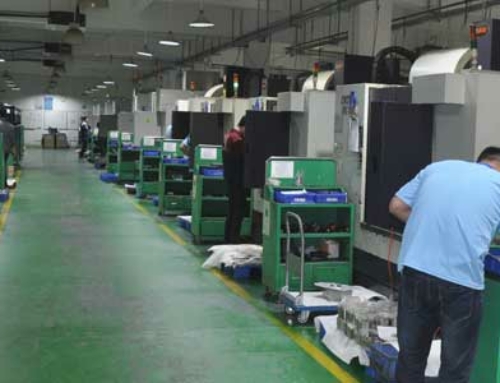
JingXing had been engaging for precision CNC machining for 15 years. Accumulated plenty of successful cnc precision machining case studies. aquare regular customers are up to 3000+. Through Several proven developments support this:
- Advanced CNC Machining Equipment
- High Precision Measurement Systems
- CAD/CAM Software Accuracy
- Better Cutting Tools
- Statistical Process Control
Our Tight Tolerance CNC Machined Parts Applications
Tigh tolerance cnc machined parts are widely used in many industries due to accurate dimension, one-stop processing and highly repetitive and flexible cutting and milling. This requires cnc machining servers have a great engineering design support, Implement digital control system completely, avoid human being error operation. These precision machined parts may be used in below industries.
- Aerospace or Aviation Industry: Lightweight precision housings, Structural Brackets and Engine Components.
- Medical And Health Industry: Operation Surgical tools, implant parts and diagnostic equipment parts.
- Automotive Industry: Wheels, head lighting housings, brake system parts and transmmision housings and hyduralic pushings.
- Electronics and Semiconductor Equipment: Connectors, heat sinks and compact device enclosures.
- Robotics and Automation: Robotic arms, joints and gear box housings.
Of cource, tight tolerance cnc machined parts application scope will be enlarged with technology progress and new industries booming. cnc machining servers face Unprecedented challenge for its ultra-precision in no soon. JingXing require some high precision inspection and testing instruments to measure and verify more wider application for tight tolerance in precision cnc machining.
Our Classic Case Studies
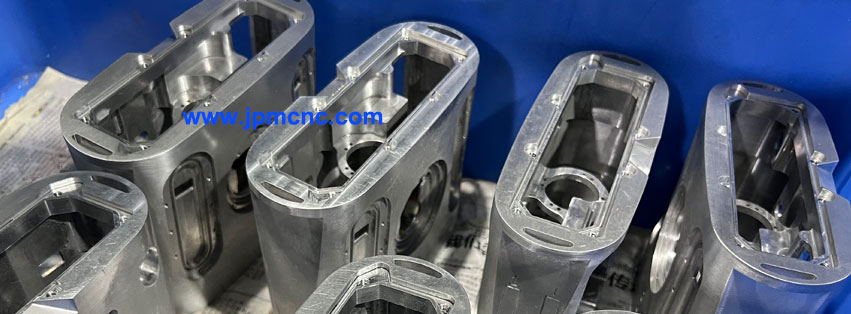
We provide CNC machining services for metal part manufacturing in numerous industries such as thermal camera and telescopes. Our software reads CAD drawings for all types of parts, and our team is capable of handling high-volume production runs for a wide range of projects.
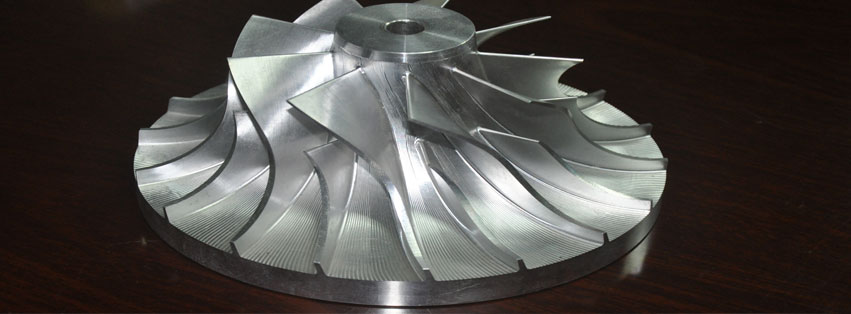
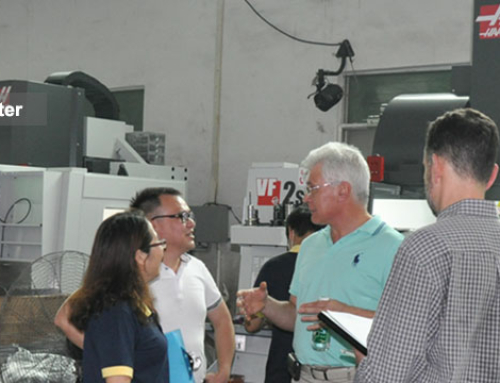
The precision aluminum turbine blade is machined by our precision 5-axis cnc machining center introduced from USA, Hass branded equipment, The complex tool cutting tool travel along multi-axis paths. The 3d model for the turbine blade is designed by our well-skilled engineer, and convert the 3d file into g-code file for cnc machine. The process is finished at one-stop.
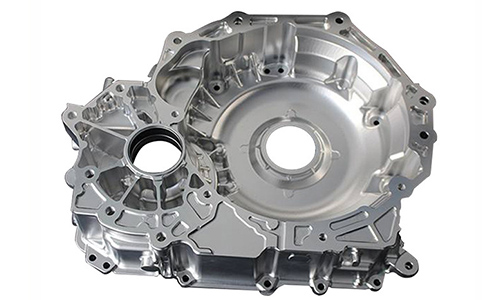
Automotive Transmmision Housings
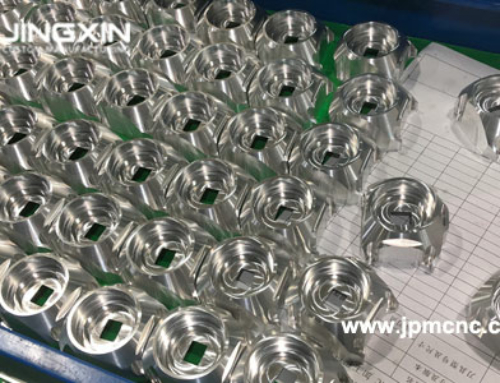
The automotive transmmision housing should be tight tolerance dimension and rapid heat dissipation. The housing design follows star shape gearing running mechanism, so it must be best assebly fit. and has a high corrosion resistance.
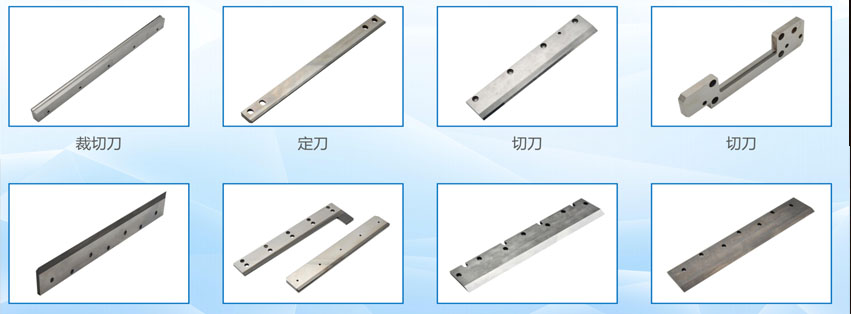
For grinding tool blades, the selection of tungsten carbide mainly depends on grain size, binder (Co) content, hardness, and wear resistance. We suggest that Using PCD (polycrystalline diamond) or diamond-coated tools, and control the grinding feed, time prones all.
How to Handle Tight Tolerance In Precision CNC Machining ?
1. Review Drawings Carefully
Before machining begins, our engineers will analyze these key points
- Critical dimensions
- GD&T requirements
- Surface finish notes
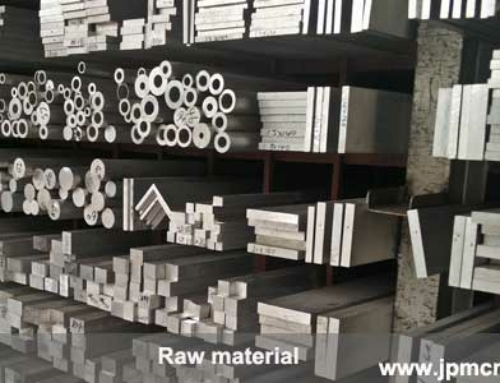
- Material type
- Functional fit areas
According to tolerance requirement and practical functions for cnc machined parts, machinist set up accurate tooling path and spindle speed, start the precision cnc machine, finish perfect process.
2. Choose the Correct Machine
Different parts require different machines, our cnc machinist choose the correct machine from our below listed machines
- 3-axis machining center
- 4-axis machining center
- 5-axis CNC machining
- Swiss turning machine
- Precision grinding machine
3. Use Proper Workholding
Weak clamping causes movement and distortion. Proper fixtures maintain part stability without deformation. Make 100% tight-tolerance precision machining for the cnc machined part.
4. Optimize Toolpath Strategy
Our cnc machinist implements roughing, semi-finishing, and finishing. Light finishing cuts help maintain tolerance and improve surface finish.
5. Control Heat and Vibration
Heat causes workpiece dimensional lose tolerance during high speed cutting running, cnc machinist should adpot the effective approaches to cool the workpiece, and fix it tight avoid vibration. the below methods are be commonly used.
- Coolant systems
- Stable feeds and speeds
- Balanced tooling
- Rigid setups
6. Measure During Production
In-process inspection prevents batch defects. Once the defective part is inspected, the cnc machining process will be corrected, Some ultra-tight tolerance cnc machined parts may be inspected by 100% in full-process. Random checks are regular.
7. Final Quality Control
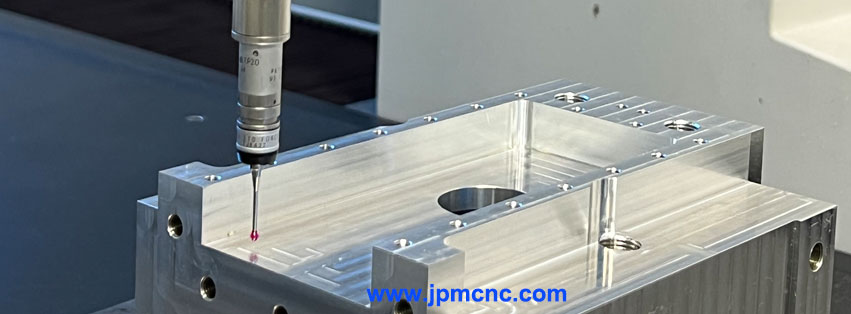
Use calibrated equipment such as CMM to verify:
- Dimensions
- Position tolerance
- Flatness
- Roundness
- Surface roughness
Conclusion
Tight tolerance in precision CNC machining are essential for today’s high-performance industries. With advanced CNC machines, skilled engineers, stable processes, and professional inspection systems, manufacturers can achieve micron-level accuracy on complex parts.
From aerospace and medical devices to robotics and automotive systems, tight tolerance machining ensures reliable fit, superior function, and long service life.
manufacturers must combine correct material selection, precise programming, stable machining methods, and strict quality control. When all of these factors work together, precision CNC machining becomes one of the most powerful manufacturing solutions available today.