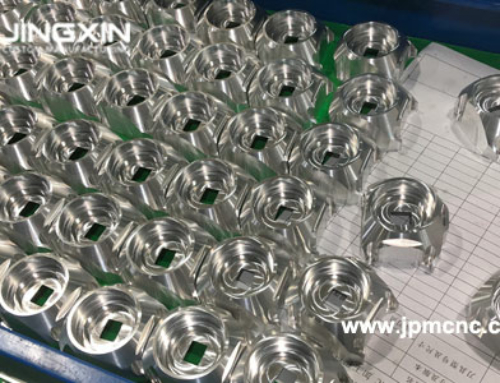

Materials Commonly Used in Precision CNC Machining have a wide range. These materials can be made into the highly accurate and consistent parts for many industries by CNC Machining . With advanced computer-controlled machines, manufacturers can produce components with tight tolerances, repeatable dimensions, and excellent surface finishes. However, the final quality and performance of a CNC machined part depend not only on machine capability, but also on selecting the right material.
Different material offers different strength, hardness, weight, corrosion resistance, conductivity, and machining behavior. Some are ideal for lightweight aerospace components, while others are better for medical tools, automotive systems, electronics housings, or industrial equipment. JingXing engineers always suggest that Choosing the correct material helps improve product reliability, reduce cost, and meet engineering requirements. The two types of materials are accepted, which are various metals and engineering plastics.
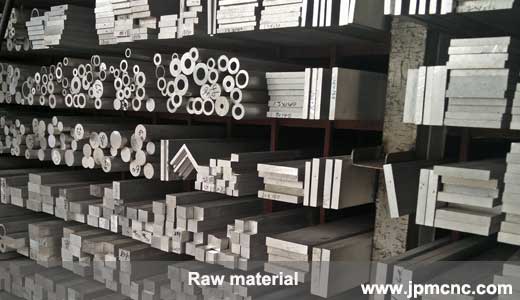
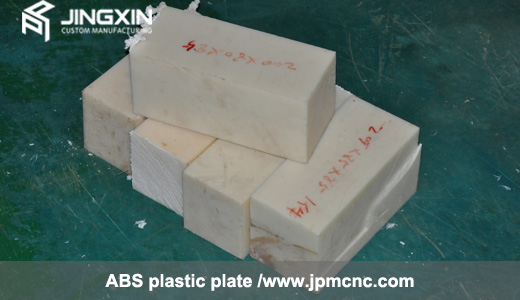
Material Types For Precision CNC Machining
Below is an overview of some of the most common materials used in Precision CNC Machining and their typical applications. From Metals to Plastics, have a detail explanation for their own features and applications respectively.
Metal Materials
| Metal Type | Feature | Grade | Application |
|---|---|---|---|
| Aluminum Alloys | lightweight, corrosion resistant, and easy to process, good balance of strength and cost efficiency. allowing shorter machining cycles and lower production costs. | 6061 Aluminum, 7075 Aluminum, and 5052 Aluminum | Aerospace, automotive, consumer electrics and medical industries. |
| Stainless Steel | Superior corrosion resistant, durable and high strength, | 304 Stainless Steel, 316 Stainless Steel, and 17-4 PH Stainless Steel. | Food processing equipment, medical, industrial equipment, marine fields. |
| Carbon Steel and Alloy Steel | high strength, wear resistance, and toughness.are often heat treated after machining to improve hardness. | 1018 Steel, 1045 Steel, 4140 Steel, and 4340 Steel. | Gears and sprockets, Machine bases, Hydraulic components, Automotive drivetrain parts. |
| Brass | excellent corrosion resistance and electrical conductivity, a preferred material for high-speed CNC production. | C360 Brass | Electrical terminals, Plumbing fittings, Valves and connectors and Precision threaded components |
| Copper | excellent electrical and thermal conductivity, can be machined into precision parts | Bus bars, Heat sinks, Electrical contacts, Power transmission components. | |
| Titanium | high strength with low weight and outstanding corrosion resistance, high wear resistance. | Grade 2 titanium and Grade 5 titanium | Aerospace fasteners and brackets, Medical implants, Surgical instruments and Racing components. |
| Magnesium | the lightest structural metals, | Aerospace housings, Drone frames, Lightweight automotive parts. | |
| Zinc Alloys | CNC machined for secondary operations or custom components, | Zamak, ZA, Zn-Fe Alloy | Precision hardware, Connector housings and Mechanical fittings. |
Plastics and Engineering Polymers
Many industries use engineering plastics because they are lightweight, chemically resistant, and electrically insulating. JingXing often makes some precision machined plastic parts for the special requirement from some clients. Common Raw material For them include POM (Delrin), Nylon, PEEK, PTFE, and ABS.
Select The Right Material In Precision CNC Machining
Material selection in Precision CNC Machining depends on several factors. Precision cnc machining shop in China should select the right material to process high quality cnc machined parts according to the specific requirements for the cnc machined part. These requirements can be have a detailed list from the below issues.
-
Mechanical Requirements: Consider strength, hardness, fatigue resistance, and impact performance.
-
Weight Requirements: For lightweight products, aluminum, titanium, magnesium, or plastics may be preferred.
-
Corrosion Resistance: For wet or chemical environments, stainless steel, titanium, plastics, or anodized aluminum are common choices.
-
Conductivity: For electrical applications, copper and brass are excellent options.
-
Cost and Production Volume: Aluminum and carbon steel are often economical for medium to high volume machining.
-
Surface Finish Needs: Some materials naturally provide better cosmetic finishes than others.
More relevant Services Support
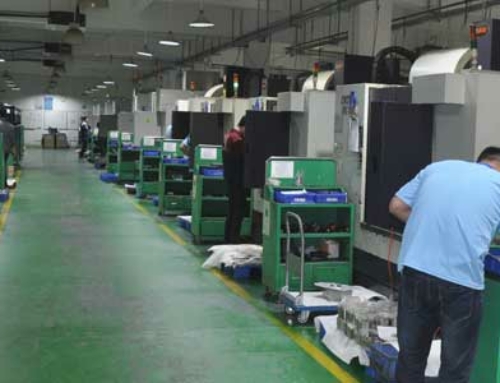
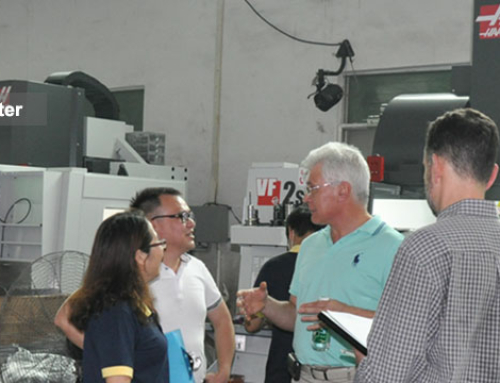
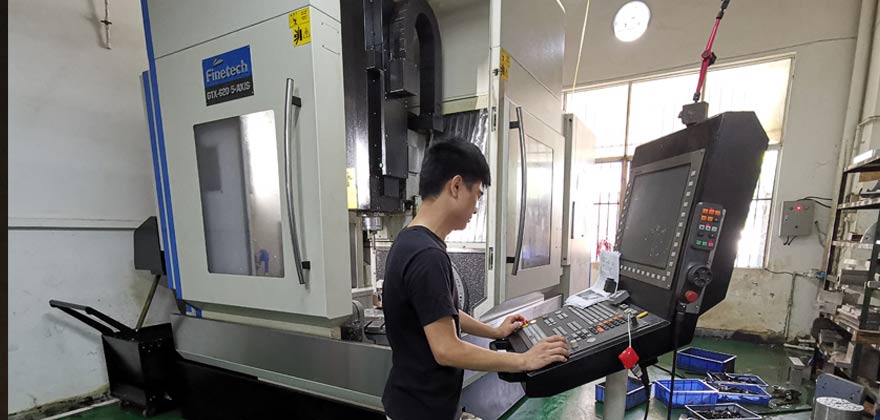
Cutting-edge 4,5 Axis CNC Machining Centers
JingXing intoduces the cutting-edge cnc machining centers from U.S.A, which are multi-axis model typical precision machining equipment, Except X,Y,Z cutting works, A, B axis makes the cutting tools can engrave all surfaces of turning along X, Y axis, Keep same tigh-tolerance precision, multi-functional complex machined parts can be processed freely.
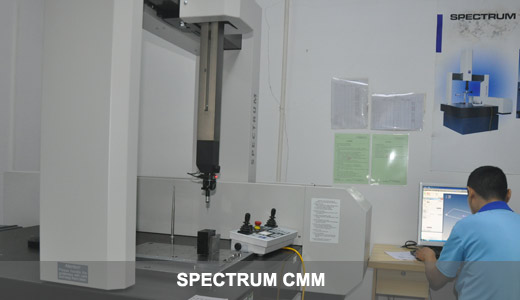
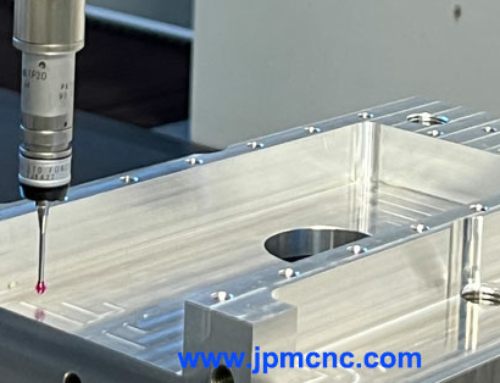
High Precision Spectrum Inspection Instruments And Devices
These High precision Spectrum Inspection Instruments ensure the cnc machined parts tight-tolerance dimension, integrated strength structure and continuoues correction of tooling path. Minimal the acount of rework. Strict handling of quality control on full-process. Our high precision spectrum inspection instruments include CCM, 2.5 D projector, Digital Micrometer Caliper, 2D Height Guage Measurement System and Hardness tester.
Engineering Design Support
Well-skilled engineers draft the visual 3d model of the cnc machined part with CAD software, improve and optimize the model design continueously until the design 3d moldel dimension is equal to the real prototype. Then save the STP file for the model, and transfer the STP file into G-code file, deliver the g-code to machinist for the precision machined part’s processing. This require spending some time and labor power to draft the cnc machining tooling path.
Conclusion
Materials commonly used in precision CNC machining have their own pros and cons. Aluminum remains one of the most versatile choices, stainless steel offers durability, steel provides strength, brass and copper support electrical systems, titanium serves critical high-performance industries, and plastics meet lightweight or insulation needs. By understanding these options, manufacturers can produce reliable CNC machined parts for aerospace, automotive, electronics, medical, industrial, and consumer markets. Selecting the proper material improves quality, reduces waste, and ensures the final product performs exactly as required.